FOOTPATHS
The yellow arrow
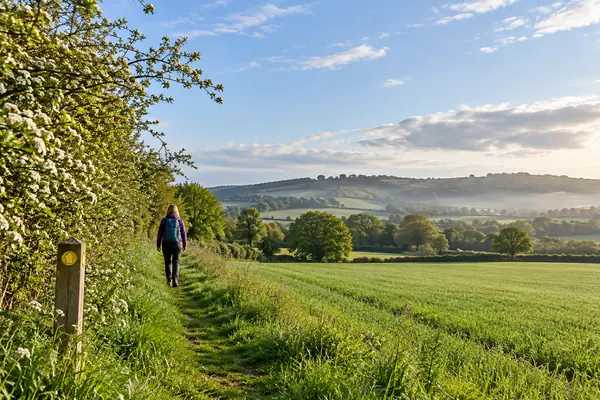
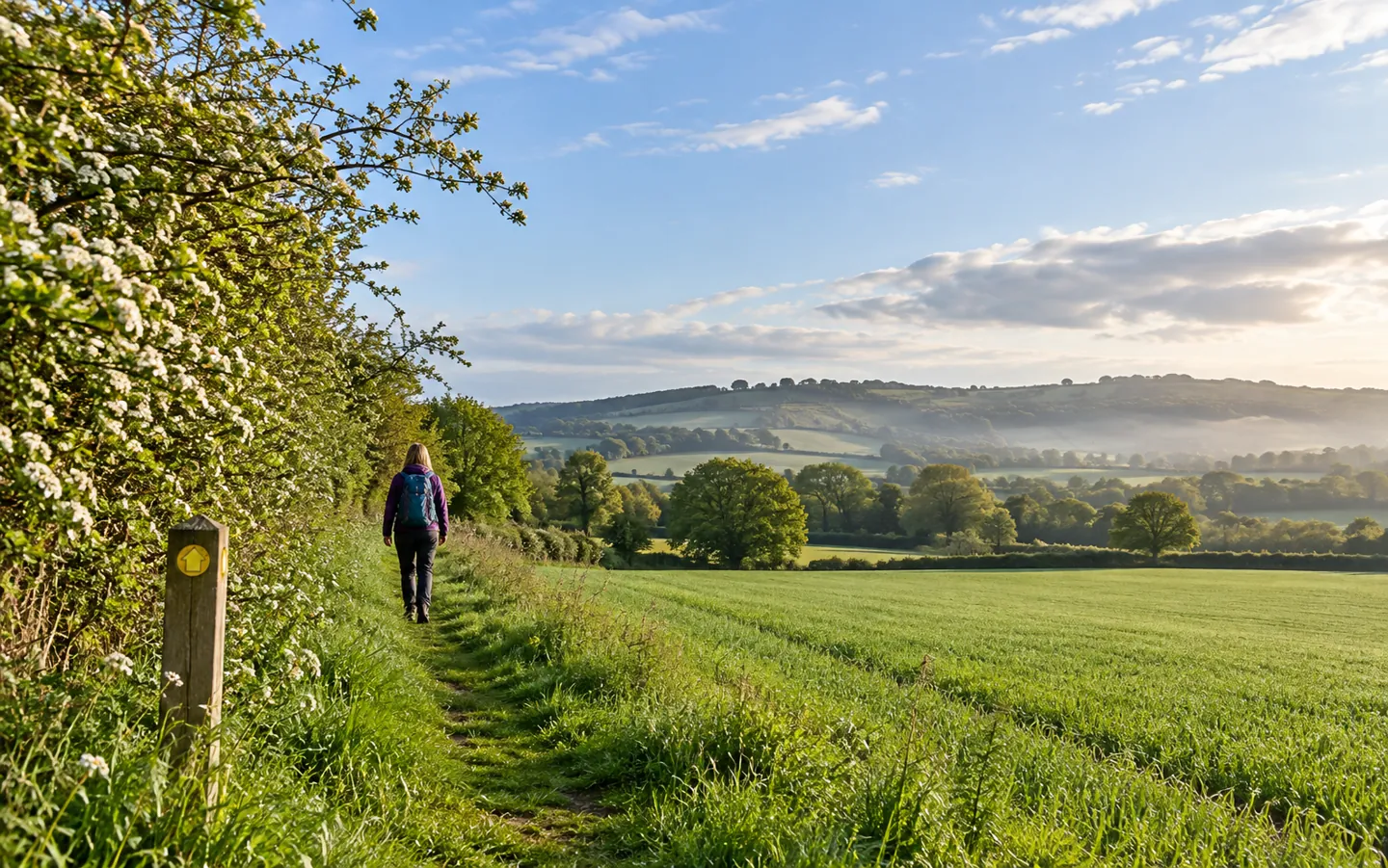
Footpaths are for walking, running, mobility scooters and powered wheelchairs. They are often marked with yellow arrows.
Check a path doodletreks
Start
WHAT THE RULES SAY
You can walk on every public right of way. What else you can do depends on the arrow.
England's paths come in four kinds, from footpaths to byways open to all traffic, plus open access land where you can leave the path altogether. GOV.UK guidance sets out who may use each, and what farmers must do to keep them open.
1.5 ma field-edge footpath left unploughed
Check a pathKeep in mind
THE SHORT ANSWER
Rights of way are marked with signs or coloured arrows.
The colour tells you who else may be on it.
FOOTPATHS
Footpaths are for walking, running, mobility scooters and powered wheelchairs. They are often marked with yellow arrows.
Check a pathBRIDLEWAYS
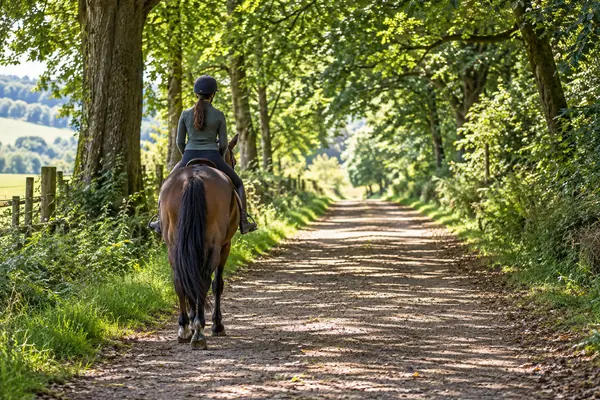
Bridleways add horse riding and bicycles. Restricted byways allow any transport without a motor, and byways open to all traffic allow cars too.
See the numbersTHE CODE
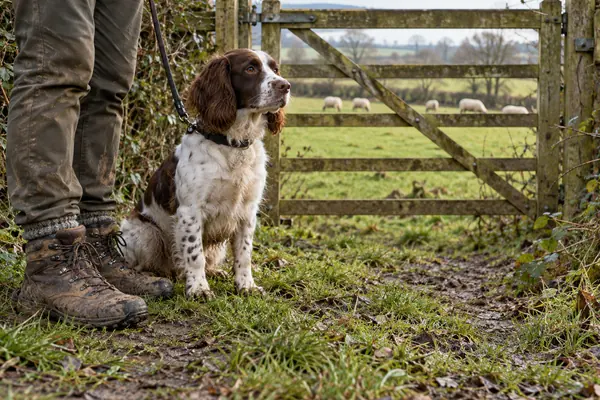
The Countryside Code says leave gates as you find them and keep dogs on a lead or in sight, checking local signs for times a lead is required.
On the walkA QUICK PATH CHECK
Pick a type of route to see who can use it. The bar shows how many kinds of traffic are allowed.
Based on GOV.UK, Rights of way and accessing land.
TWO NUMBERS WORTH KNOWING
From GOV.UK guidance for landowners
with a public right of way across their land.
1.5 m
Minimum undisturbed width of a field-edge footpath
Footpaths and bridleways along a field edge must not be ploughed. The minimum is 1.5 metres for a footpath and 3 metres for a bridleway.
FIELD-EDGE PATHS
10 months
Age from which dairy-breed bulls are banned
Bulls of recognised dairy breeds over 10 months old are banned by law from fields with a public right of way. Bulls of other breeds over 10 months must be with cows or heifers.
BULLS
A cross-field path that has been ploughed must be restored within 14 days of first being cultivated for that crop. Obstructing a public right of way is a criminal offence.
ON THE WALK
The Countryside Code and GOV.UK guidance boil down to a few things to do on any route.
Step 1
Rights of way are shown on Ordnance Survey and other maps, and on some council websites.
Step 2
Farmers close gates to keep animals in, or leave them open to give access to food and water.
Step 3
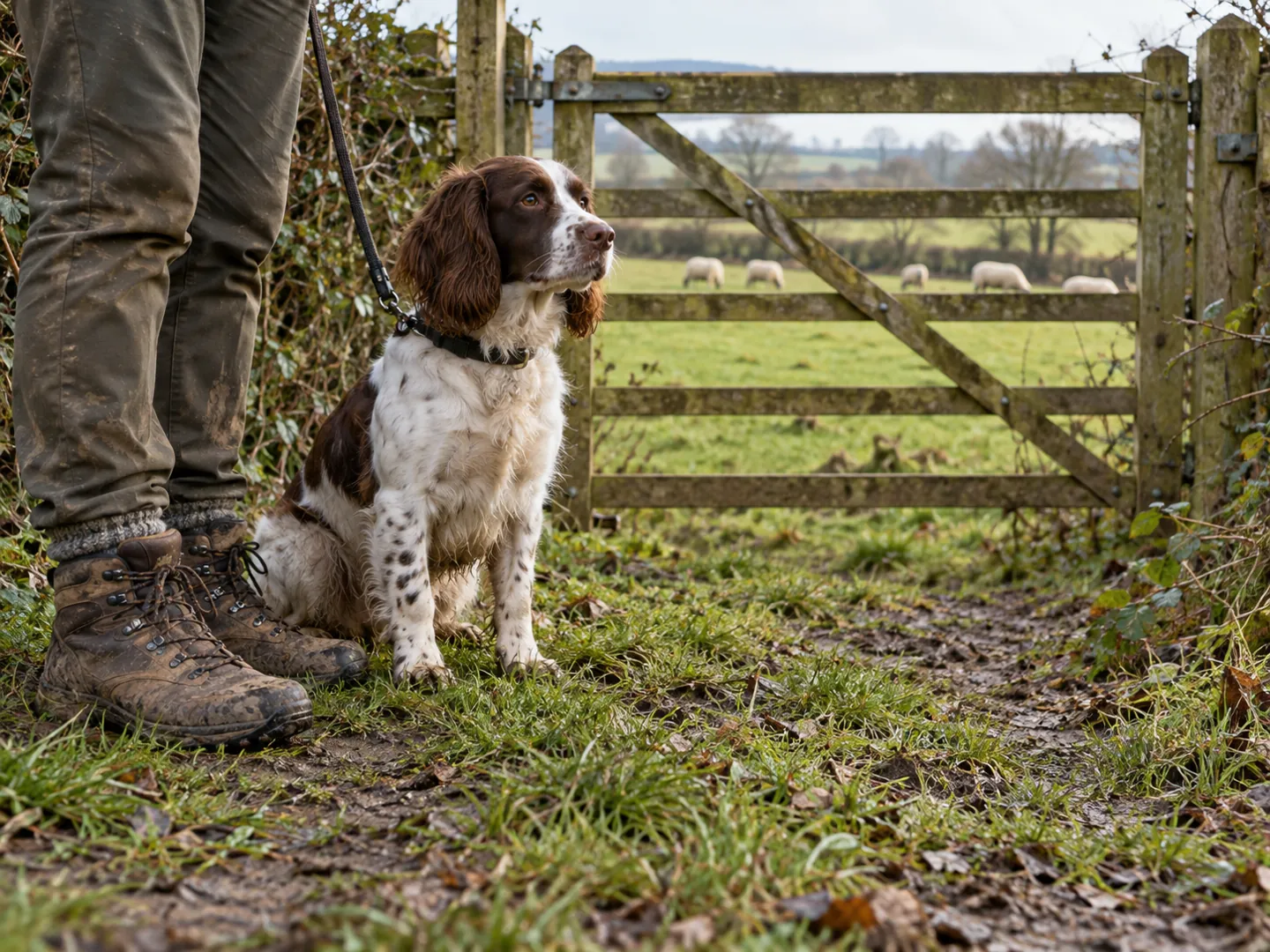
On open access land, dogs must be on a lead no longer than 2 metres from 1 March to 31 July, and at all times around livestock.
Step 4
Contact the local council about obstructions, poor maintenance or a misleading sign, such as 'private, no entry' on a public footpath.
OFF THE PATH
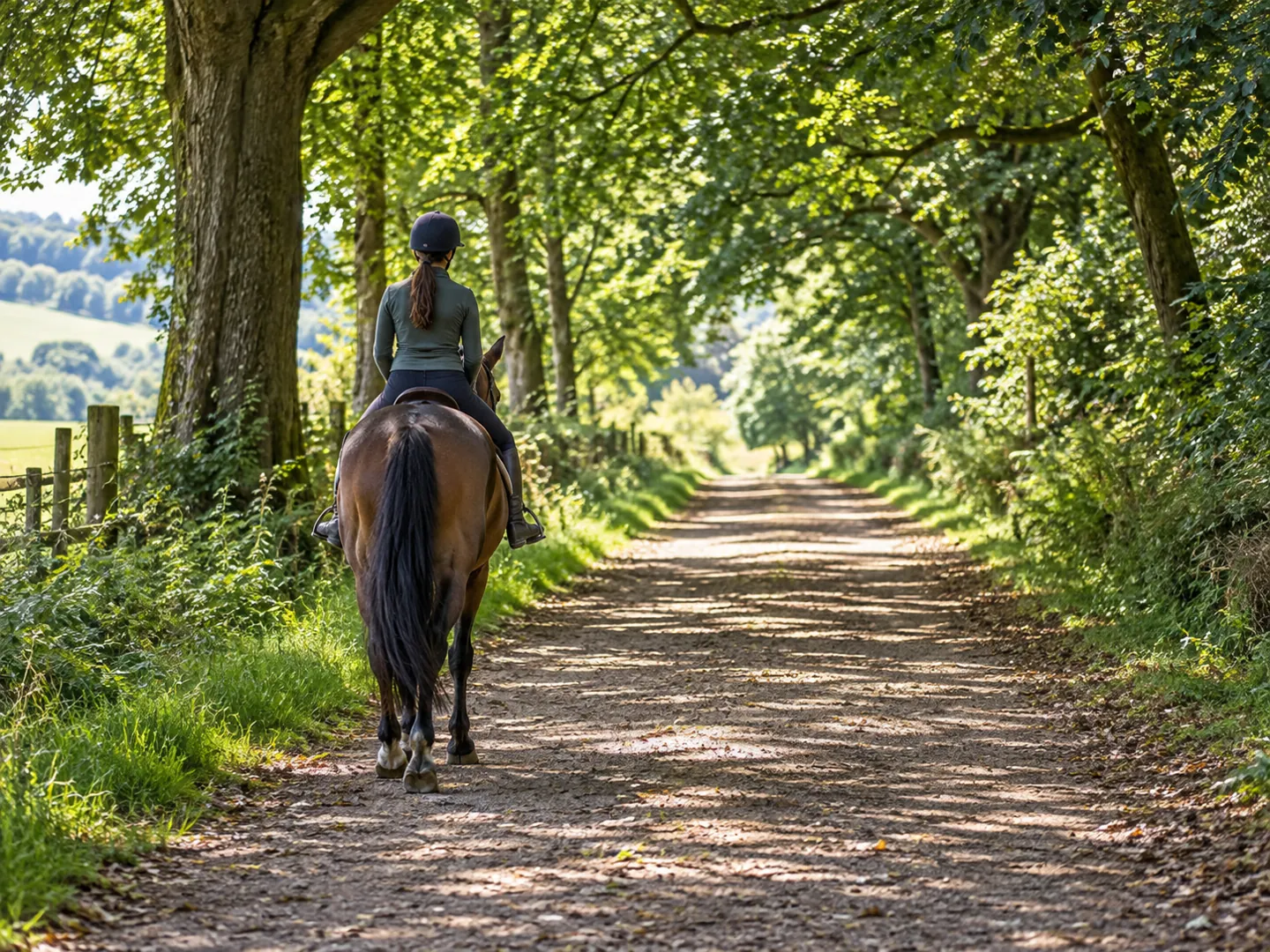
Open access land in England includes privately owned mountains, moors, heaths and downs, registered common land and some land around the King Charles III England Coast Path. There you can walk without sticking to paths.
Some areas within it stay private, such as houses and their courtyards, land used to grow crops, parks and gardens, golf courses, railways and working quarries. Use public rights of way to cross this excepted land.
Questions
No. Footpaths are for walking, running, mobility scooters and powered wheelchairs. Bicycles are allowed on bridleways, restricted byways and byways open to all traffic.
GOV.UK says rights of way are marked with signs or coloured arrows, for example yellow for footpaths and blue for bridleways.
Not along a field edge, where at least 1.5 metres must stay undisturbed for a footpath. A cross-field path that is ploughed must be restored within 14 days of first being cultivated for that crop.
Bulls of recognised dairy breeds over 10 months old are banned by law from such fields. Bulls of other breeds over 10 months must be accompanied by cows or heifers.
On open access land, on a lead no longer than 2 metres between 1 March and 31 July and at all times around livestock. Always check local signs for other restrictions.
Destination
ABOUT THIS NAME
doodletreks.com is part of the DoodleSale portfolio. It isn't in an auction right now, but you can ask about leasing it.